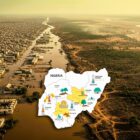

Clean air and safe water are fundamental to human health, ecosystem sustainability, and economic development. In Nigeria, rapid urbanization, industrial expansion, and inadequate regulatory enforcement have made monitoring air and water quality not just an environmental priority but a public health imperative. Robust monitoring provides evidence for policy action, safeguards communities, and underpins sustainable project delivery.
Why Monitoring Matters: Health, Environment and Economy

Air Quality and Public Health
Air pollution is linked to respiratory diseases, cardiovascular conditions, and premature deaths globally. According to the World Health Organization (WHO), tracking pollutant concentrations such as particulate matter (PM₂.₅ and PM₁₀) and nitrogen dioxide (NO₂) is essential for understanding exposure and health impacts, and driving evidence-based policy decisions WHO
In Nigeria, independent research reveals significant levels of air pollutants, including PM₂.₅, NO₂, ozone, and volatile organic compounds, in urban centers such as Awka, Onitsha, and Nnewi, with concentrations often exceeding WHO guideline levels. Monitoring these pollutants is the first step toward warning susceptible populations and shaping mitigation strategies li01.tci
Meanwhile, the Federal Government of Nigeria has recognized this need, with commitments to establish nationwide air quality monitoring stations to generate reliable data for policy and public awareness fmnio.gov
Why it matters:
- Long-term exposure to air pollution damages lungs and cardiovascular systems.
- Sensitive groups — children, the elderly, and persons with pre-existing conditions are especially vulnerable.
- Data supports health advisories, urban planning, and emission control strategies.
Water Quality: A Critical Public Health Issue
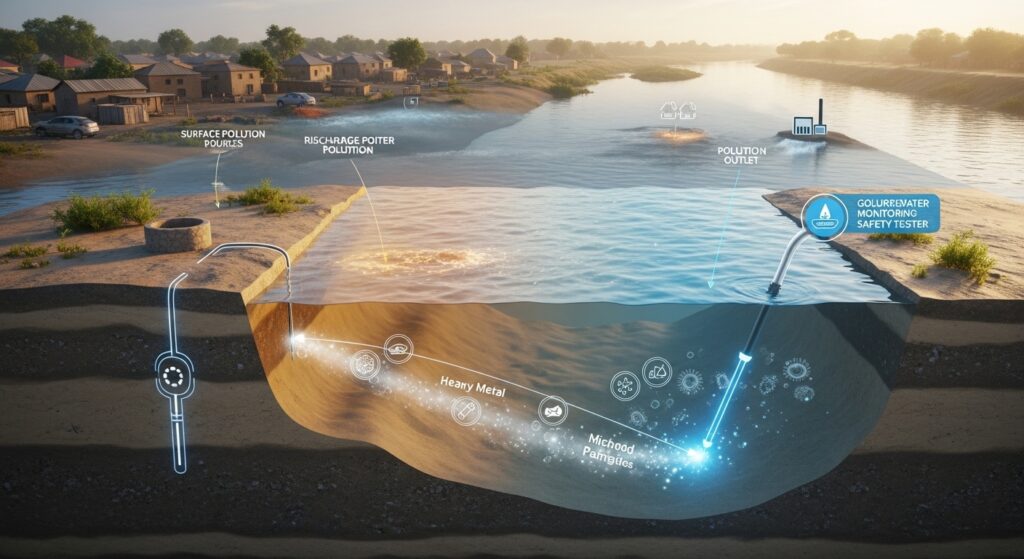
Water quality is equally crucial. Research shows that over 60 million Nigerians lack access to safe drinking water, and surface water sources in many regions fail to meet quality standards due to pollution from sewage, industrial effluent, and land use change ScienceDirect
Water quality monitoring helps detect physical, chemical, and biological contaminants from heavy metals to pathogenic organisms that compromise drinking water safety and ecosystem health. In southwestern Nigeria, groundwater studies have documented elevated levels of lead and other pollutants in well and borehole water, highlighting the need for routine testing against WHO permissible limits arXiv
Effective monitoring informs:
- Safe community water supply decisions
- Risk assessments for projects reliant on groundwater
- Compliance with national standards and international best practices
Without continuous and systematic monitoring, communities face water-borne diseases, infrastructure projects may misjudge resource availability, and degradation risks remain hidden until impact thresholds are breached.
International Standards and Why They Matter
The WHO sets global air quality guidelines to minimize health risks from pollution. The WHO Ambient Air Quality Database compiles measurements from thousands of cities worldwide data which helps policymakers evaluate exposure and plan interventions WHO
For water, WHO’s drinking-water quality guidelines are universally adopted references that national programs can use to benchmark safety.
These global frameworks:
- Provide scientifically derived thresholds for pollutants
- Enable comparable, standardized data collection
- Support public health protection and environmental management
The Role of Monitoring in Protecting Communities and Projects
Accurate, continuous monitoring benefits society at multiple levels:
For Public Health
Air and water quality data provide real-time insights into environmental risks, allowing health advisories and interventions to protect vulnerable populations.
For Infrastructure and Projects
Monitoring supports environmental impact assessments, compliance audits, and design adjustments that safeguard projects against unforeseen environmental liabilities.
For Policy & Planning
Data-driven insights help authorities develop targeted policies, for example, defining pollution hotspots or prioritizing water treatment works.
Solo-May Geoservices: Delivering Credible Environmental Monitoring
At Solo-May Geoservices, we support clients with comprehensive air and water quality monitoring solutions that align with national and international standards, including WHO guidelines and NESREA regulatory frameworks.
Our services include:
- Continuous and baseline environmental monitoring
- Calibration and validation of monitoring instruments
- Data analysis, interpretation, and reporting
- Environmental compliance support and advisory
- Site-specific monitoring programs for industries, communities, and development projects
As trusted environmental consultants, we translate raw environmental data into informed decisions that protect public health, promote sustainability, and de-risk projects throughout their lifecycle.
Conclusion: Towards a Healthier, Safer Nigeria
Water and air quality monitoring are not luxuries; they are necessities for safeguarding lives, enabling sustainable development, and enhancing regulatory compliance. Reliable data empowers communities, informs policymakers, and protects investments.
By strengthening monitoring infrastructure, enforcing standards, and leveraging expert support, Nigeria can ensure cleaner air, safer water, and healthier environments for all citizens.