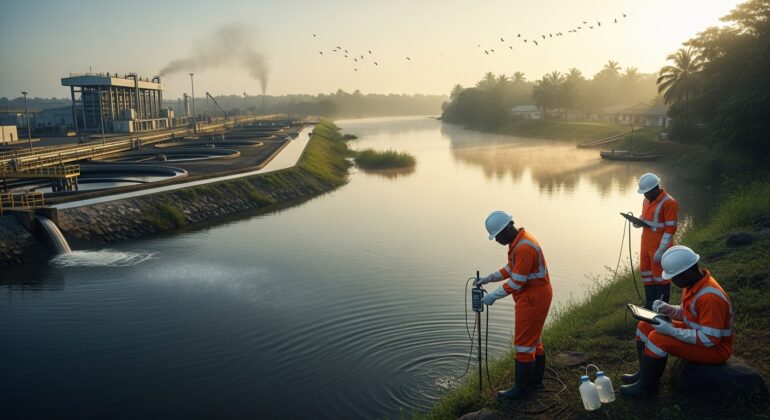

Industrial growth is a vital engine of economic development in Nigeria. Manufacturing plants, food processing facilities, oil and gas operations, pharmaceuticals, and textile industries contribute significantly to employment and national productivity. However, alongside these benefits comes an environmental responsibility that cannot be ignored — the management of industrial wastewater.
According to the United Nations Environment Program, more than 80% of wastewater generated globally is released into the environment without adequate treatment, contributing to widespread water pollution and ecological degradation UNEP
For Nigeria, where millions rely on surface water and groundwater for drinking, agriculture, and household use, the implications of industrial wastewater contamination are far-reaching. This reality underscores the critical importance of industrial wastewater monitoring as a cornerstone of environmental protection, regulatory compliance, and sustainable industrial development.
Understanding Industrial Wastewater
Industrial wastewater refers to water that has been contaminated through industrial processes. Unlike domestic wastewater, industrial effluent often contains a complex mixture of physical, chemical, and biological pollutants that can vary significantly depending on the type of industry.
Common sources include:
- Manufacturing plants
- Food and beverage processing facilities
- Chemical and pharmaceutical industries
- Oil and gas operations
- Textile and dye production
These activities may introduce contaminants such as heavy metals, organic pollutants, suspended solids, nutrients, oils, and toxic chemicals into wastewater streams.
Monitoring these discharges is essential to determine whether the wastewater meets environmental standards before it is released into the environment.
Environmental and Public Health Risks
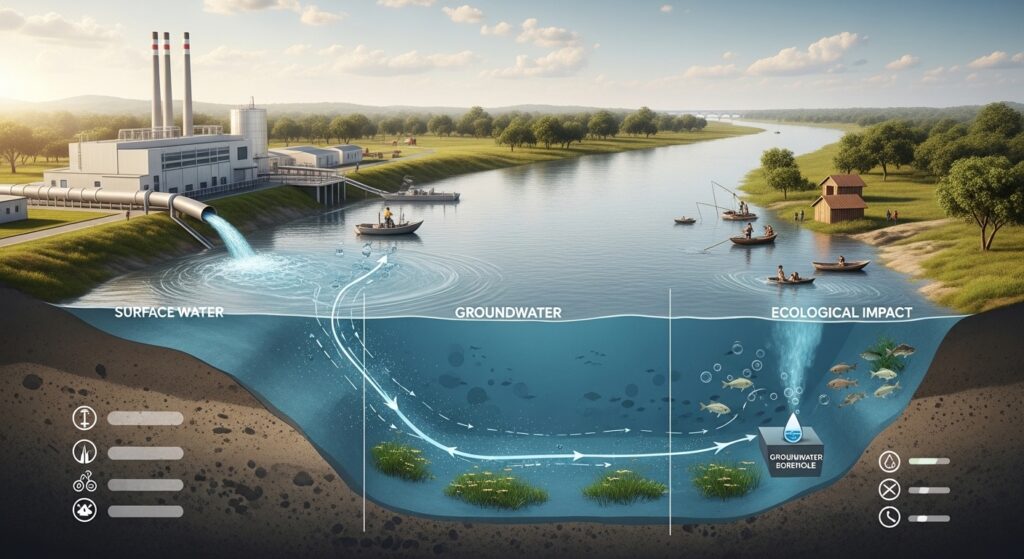
When industrial wastewater is discharged without adequate monitoring or treatment, the environmental consequences can be severe.
Surface Water Pollution
Nigeria’s rivers and streams serve as essential water sources for communities and agriculture. Contaminated industrial effluent can degrade these water bodies, threatening ecosystems and livelihoods.
The World Bank estimates that water pollution reduces economic growth in many developing countries by up to one-third in heavily polluted regions, largely due to impacts on health, agriculture, and fisheries World Bank
Groundwater Contamination
Infiltration of polluted wastewater into soil can eventually contaminate groundwater aquifers. In Nigeria, where boreholes are a primary drinking water source, this presents a significant public health concern.
Once groundwater becomes contaminated, remediation can be technically difficult and financially costly.
Ecological Damage
Industrial pollutants can disrupt aquatic ecosystems by harming fish populations, destroying biodiversity, and altering the chemical balance of natural water bodies.
The Role of Wastewater Monitoring
Industrial wastewater monitoring provides the scientific evidence necessary to ensure that wastewater discharges remain within acceptable environmental limits.
Monitoring programs typically evaluate parameters such as:
- Biochemical Oxygen Demand (BOD)
- Chemical Oxygen Demand (COD)
- pH levels
- Total Suspended Solids (TSS)
- Heavy metal concentrations
- Oil and grease content
- Nutrients such as nitrogen and phosphorus
Regular testing helps industries:
- Identify pollution sources within their operations
- Improve wastewater treatment efficiency
- Prevent accidental environmental contamination
- Demonstrate regulatory compliance
Why Industrial Wastewater Monitoring Matters for Sustainable Development
Effective monitoring systems are essential for balancing industrial development with environmental protection.
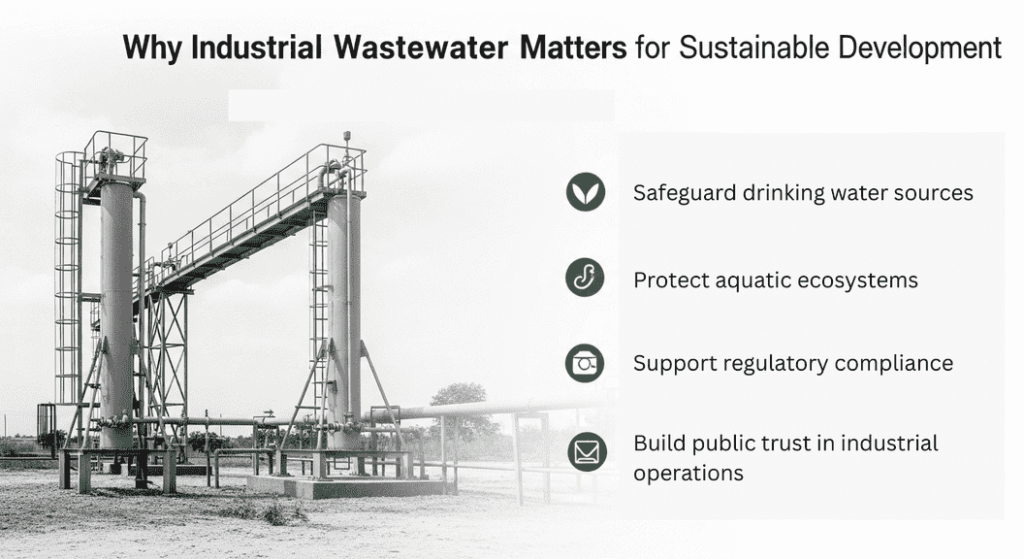
Industrial wastewater monitoring helps:
- Safeguard drinking water sources
- Protect aquatic ecosystems
- Prevent long-term groundwater contamination
- Support regulatory compliance
- Build public trust in industrial operations
As Nigeria continues to industrialize, environmental monitoring will become increasingly important for ensuring that economic progress does not come at the expense of ecological sustainability.
The Role of Environmental Consultants
Implementing a reliable wastewater monitoring program requires technical expertise, scientific equipment, and knowledge of environmental regulations.
Environmental consulting firms play an important role in helping industries:
- Conduct wastewater sampling and laboratory analysis
- Assess pollution risks
- Design monitoring frameworks
- Prepare environmental compliance reports
- Support regulatory inspections and audits
Organizations such as Solo-May Geoservices provide professional environmental monitoring services that help industries manage wastewater responsibly while meeting national environmental standards.
Through science-driven environmental assessments, companies can better understand their environmental footprint and implement solutions that protect surrounding communities and ecosystems.
Conclusion: Monitoring as a Pathway to Responsible Industry
Industrial wastewater monitoring is more than a regulatory requirement — it is a critical safeguard for environmental sustainability, public health, and long-term economic stability.
As industrial activity continues to expand across Nigeria, the need for responsible wastewater management will only grow stronger.
By investing in proper monitoring systems, industries can reduce environmental risks, maintain regulatory compliance, and contribute to a cleaner and more sustainable future.
Protecting Nigeria’s water resources today ensures that future generations will continue to benefit from safe ecosystems, healthy communities, and resilient natural environments.