Can Soil Conditions Be Assumed From a Neighbouring Property?
Not safely.
A neighbouring building may provide useful background information, but it does not automatically establish the subsurface conditions at another plot. ASTM’s site-characterization guidance emphasizes identifying and locating subsurface materials and groundwater conditions at the site being investigated.
This is one reason a site-specific investigation is valuable. Subsurface soil and rock conditions can vary across a site and with depth, meaning that foundation decisions should be based on information representative of the actual development site. FHWA – Geotechnical engineering circular
When Should Investigation Be Carried Out?
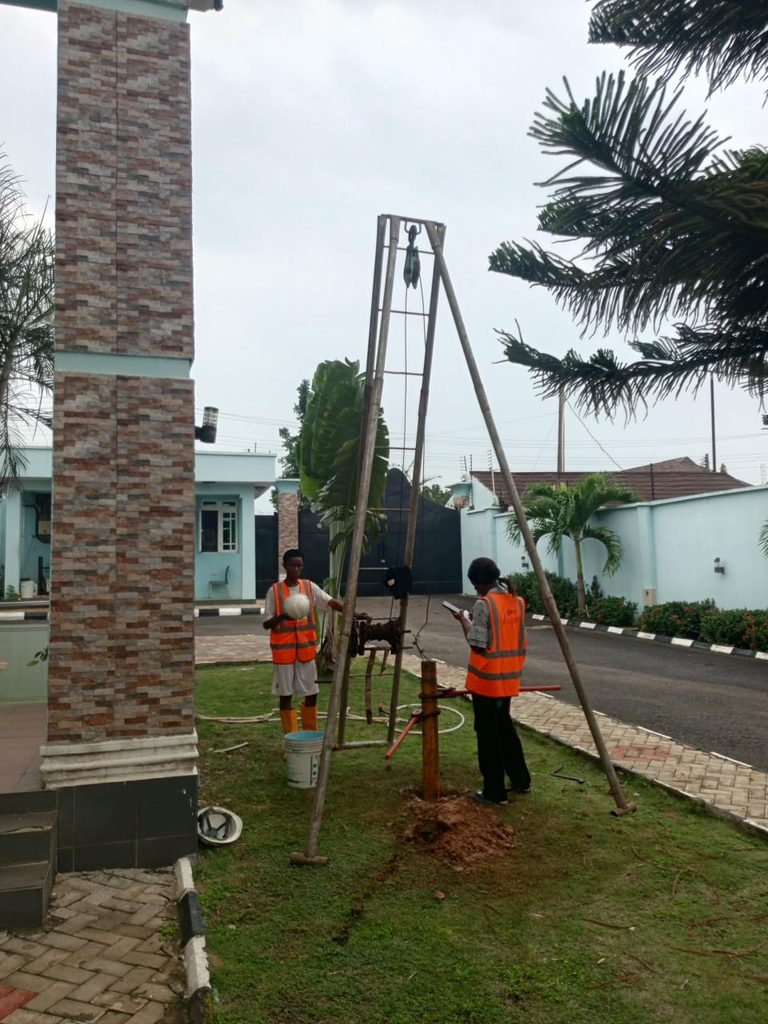
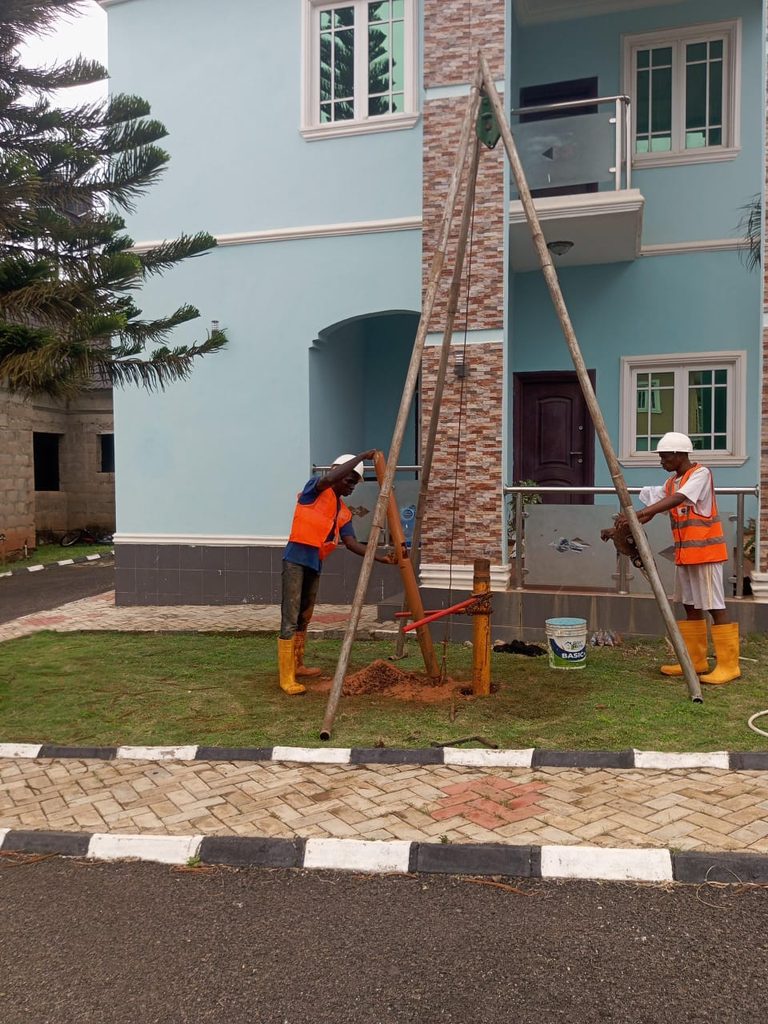
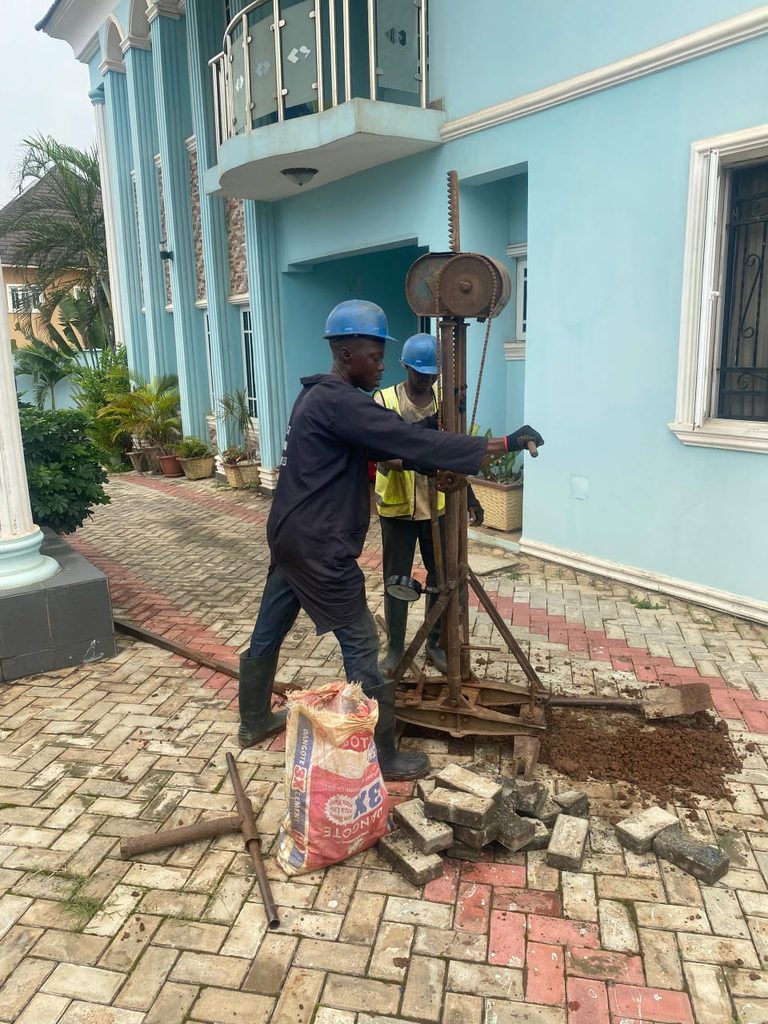
Before foundation design and major construction decisions are finalized.
The purpose of a geotechnical investigation is to obtain relevant information about the ground conditions early enough to support engineering and construction decisions. ASTM D420-18 identifies foundation type and the elevation of suitable bearing strata among the decisions that can be supported by adequate site characterization.
The investigation should therefore be planned around the proposed development, considering the type and scale of the structure, expected loading, site conditions and the subsurface information required for design. Standard guide for site
What Does the Final Information Help Engineers Decide?
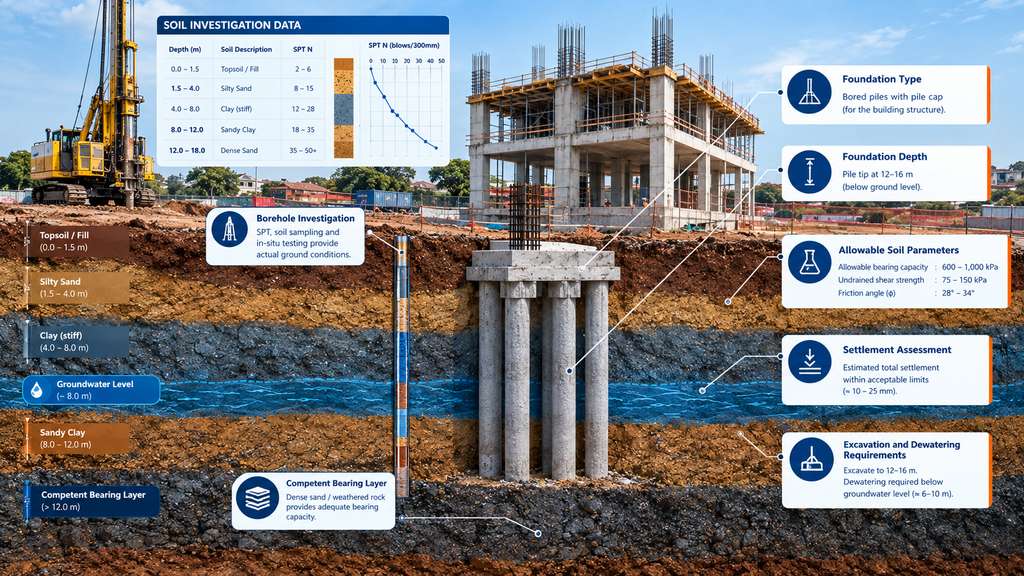
The results of a geotechnical investigation support decisions about foundation type, foundation depth, allowable soil parameters, settlement considerations, excavation requirements and other aspects of ground-related construction.
NBRRI identifies foundation design, settlement analysis and excavation planning among the engineering decisions supported by geotechnical investigation testing.
The geotechnical investigation therefore provides essential ground information that engineers can use when developing an appropriate foundation solution. FHWA guidance also explains that the geotechnical report provides foundation recommendations and allowable bearing capacities to assist the structural engineer in developing the final foundation design.
Building on Data, Not Assumptions
The foundation should be designed based on an understanding of the actual ground conditions at the development site, rather than assumptions about what lies beneath it.
Geotechnical investigation turns subsurface conditions into usable engineering information. It helps project teams characterize soil, rock and groundwater conditions, determine relevant engineering properties and provide information needed for foundation and construction decisions.
For developers, property owners, architects and engineers, carrying out site investigation early in the project provides important ground information that can be considered during planning and design, when construction decisions can still be informed by the findings.
How Solo-May Geoservices Can Help
Solo-May Geoservices provides geotechnical surveying and foundation investigation services, including subsurface evaluation and engineering material studies to support construction planning and structural design. Its geotechnical services are positioned around obtaining information on soil and rock conditions for safer and more informed foundation decisions.
Before you build, investigate the ground. Because a strong structure starts with understanding what is beneath it.